On cotton, linen, and why I made something I hope you never have to replace.
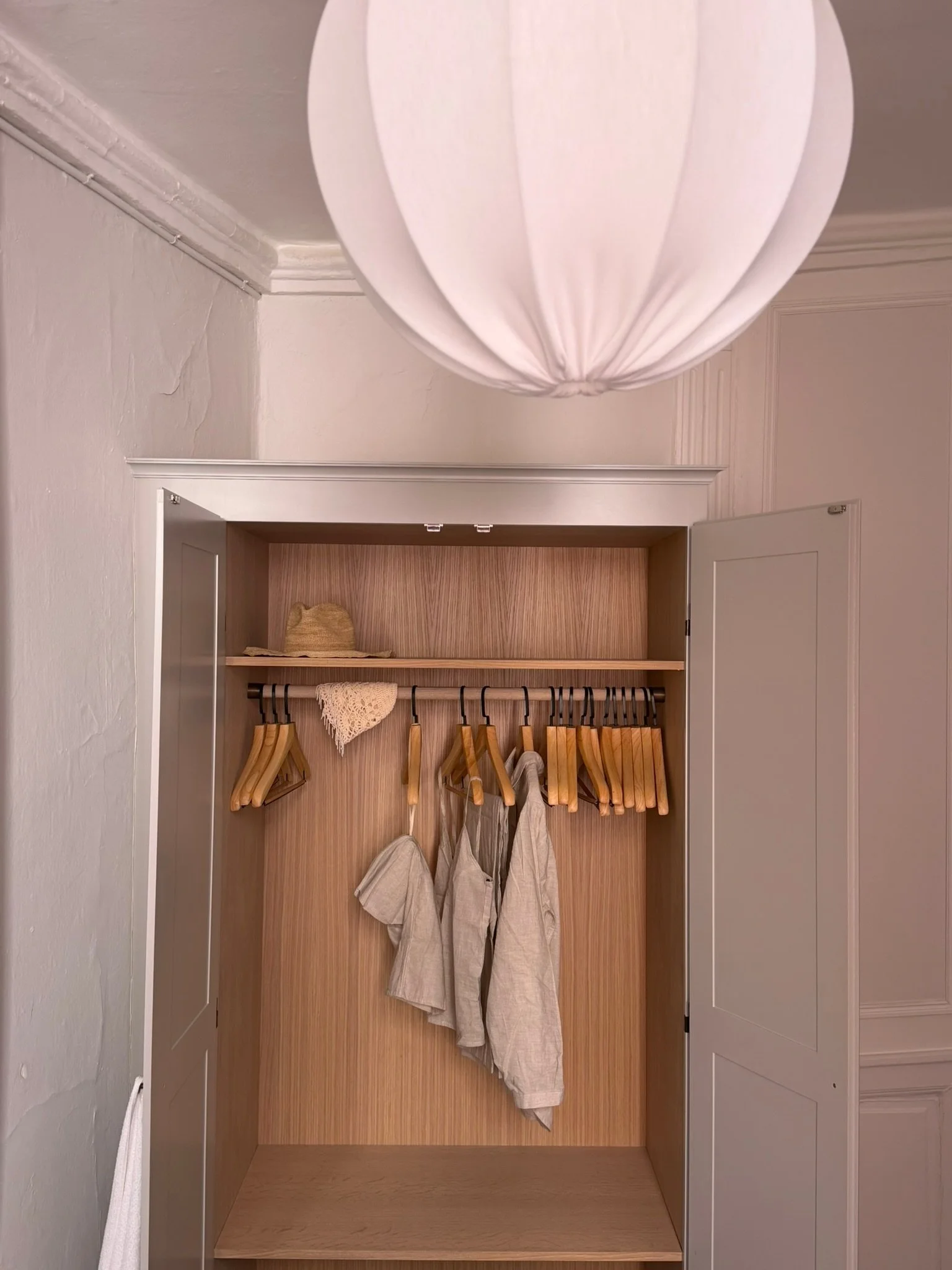
our very first samples, captured on camera by Sydney Graves of Kirra Club.
I have a lot of clothes. Sorry, I should say that I HAD a lot of clothes. After moving across the country and enduring the constant joy but relentless overstimulation of the crowded house that comes with being the parent to a toddler, I’ve been making a conscious effort to get rid of the things I don’t wear, don’t need, or just don’t like anymore. And in doing so, I’ve noticed something about my wardrobe. My linens are the only constant.
I neverrrrr get rid of them. And if I have, it’s because I’ve stained them beyond repair or I’ve had to sit myself down and have a conversation about why I don’t need five pairs of linen pants or ten button downs in the same color. They’re the one thing I consistently reach for, regardless of the season, where I’m going, or what else is hanging in my closet.
I wear linen pants with flops + a tank or a tee in the spring and summer, sweaters or a linen oversized button-down + tennies or clogs in the fall and winter. I’ll throw on a linen top when I go to the beach, or to elevate jeans, or as a shacket for that in between weather when the seasons change. Linens are comfortable, versatile, and in my opinion there’s nothing more effortlessly chic or timeless than a linen.
When I started designing our first apparel collection for Benjals, I knew I wanted to make something that would become that same constant in someone else’s wardrobe. NOT something you’d wear for a season. Not something you’d buy because it was trending. Something you’d love; and most importantly, something you’d keep.
So, that brought me to linen and cotton.
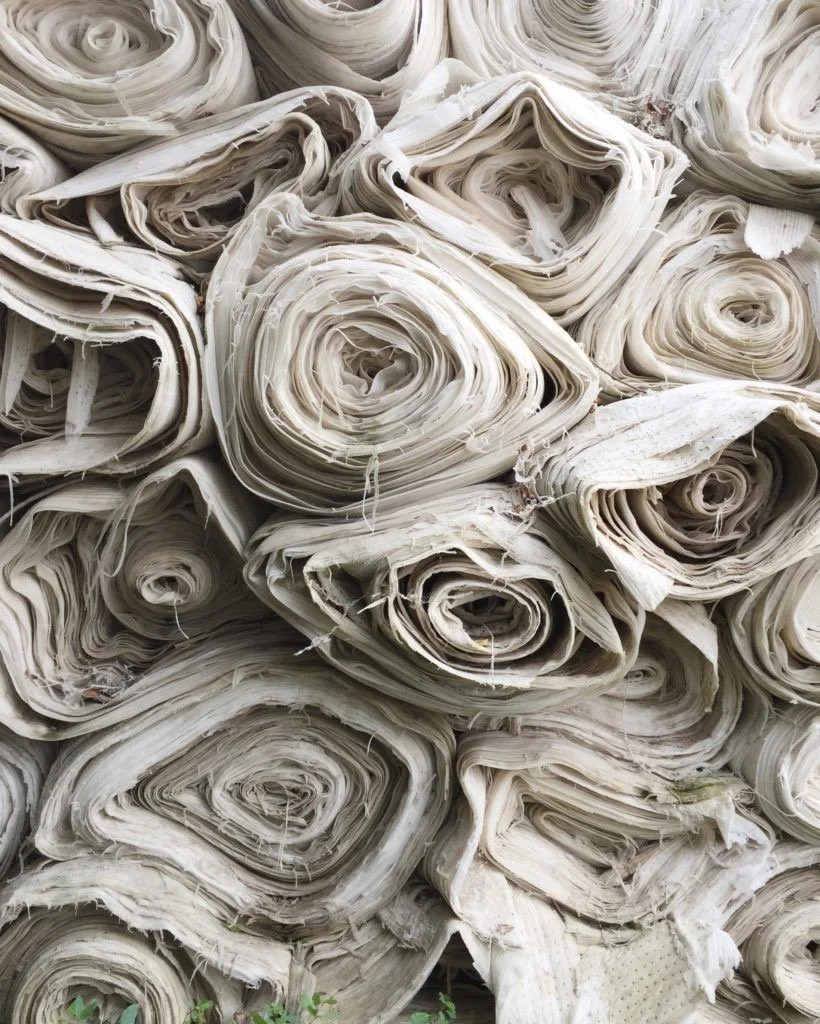
A little history, because I think it’s fun and interesting. Plus, I think it’s worth understanding where these sets come from. And why it’s the timeless constant in wardrobes that we still wear today.
Linen is made from the flax plant, it’s also one of the oldest textiles. Archaeologists have discovered flax fibers dating back some 36,000 years. Ancient Egyptians used linen as an economic engine, for clothing, household textiles, and burial practices. It was valued for its strength, absorbency, and breathability, which was perfect for Egypt’s hot climate.
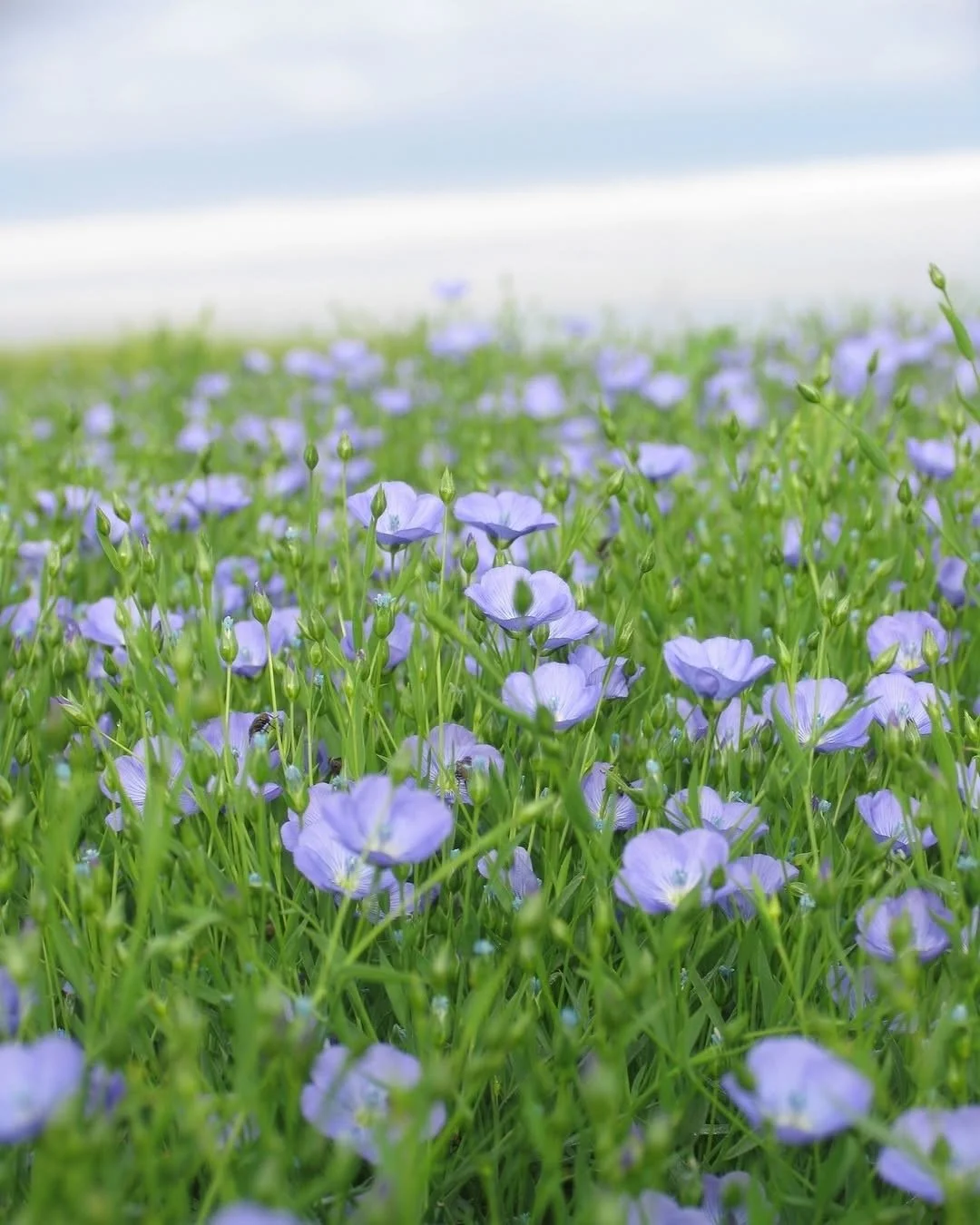
Flax, also known as common flax or line, is a flowering plant, Linum usitatissimum, in the family Linaceae.
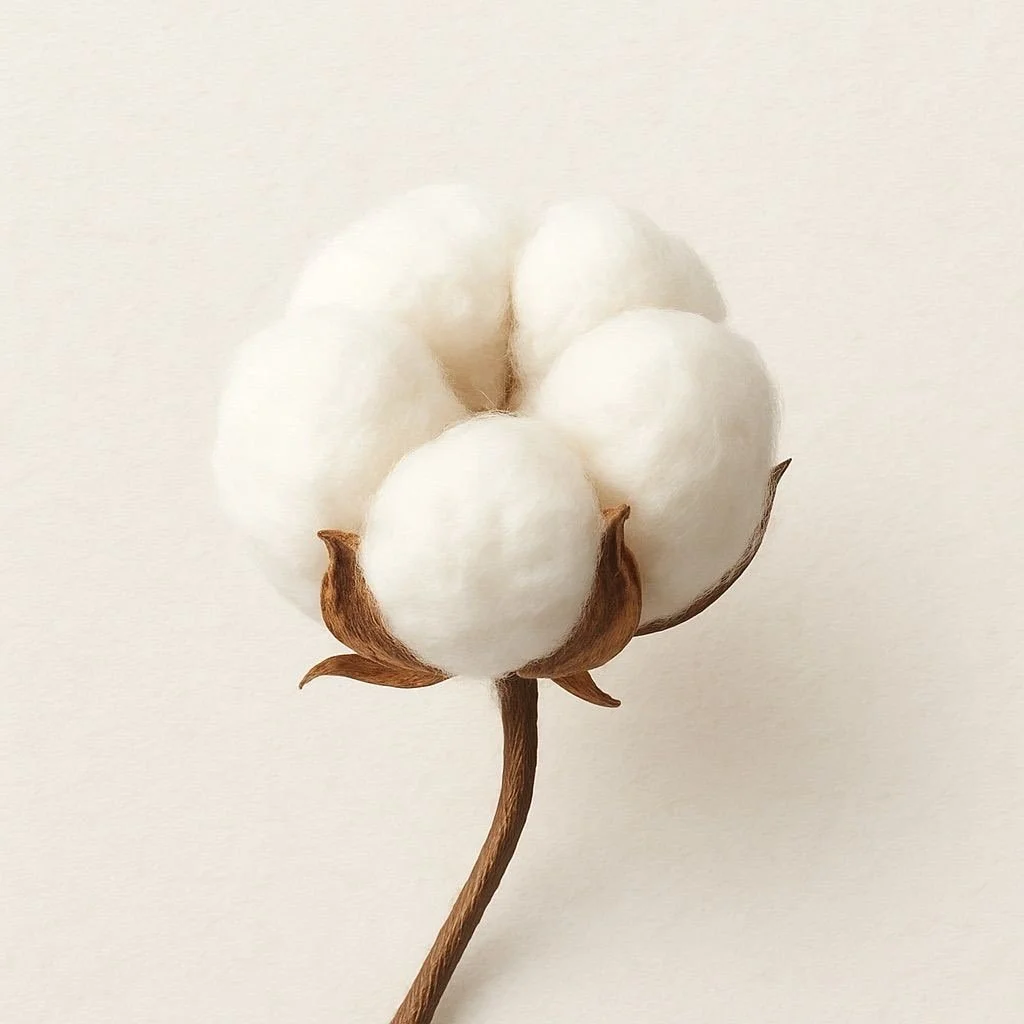
Evidence of cotton cultivation and textile production dates back thousands of years to civilizations in the Indus Valley and South America. It also became one of the most widely used fibers in the world.
Of course, cotton’s history isn’t entirely a pleasant one. Its production became intertwined with colonialism and slavery, particularly in the American South, where enslaved people were forced to grow and harvest it. It’s an important part of the material’s history, and shouldn’t be overlooked when discussing something so widely used today.
What is interesting about these materials is how long they’ve been part of human life. Before polyester and seasonal collections in the fashion industry, before we were being introduced to a new trend every other week, people were making clothes from these plants.
Why both?
Our first apparel collection is made from 86% cotton and 14% flax linen. I chose this blend intentionally. However, I should probably explain what that actually looked like.
I went through pages and pages of different fabrics trying to find the right one. And (btw) when I started Benjals, I had practically zero knowledge or experience in the fashion or textile industry.
I knew what I liked. I knew what I wanted something to feel like. But understanding the differences between fibers, blends, weights, weaves, and how all of those things affect a garment? I’m still figuring it out and learning as I go along. When I finally landed on this fabric, I hadn’t even read the percentage breakdown yet. It just felt right; like the fabric I’d been searching for.
And when I went back to look at what it was actually made of, I realized I’d chosen a cotton-linen blend. Unknowingly, I’d found what I think is the best of both worlds.
Cotton is naturally soft and comfortable against the skin. Linen is strong, absorbent, breathable, and has this beautiful texture that only seems to get better with wear. Together, they create a fabric that combines the softness of cotton with the structure and character of linen.
I wanted something that felt good from the first wear but also becomes one of those pieces that feels even better after you’ve owned it for a while. I also created pieces that give you options year-round instead of having to flip over your closets every time the temperature changes.
We tend to associate linen with summer: Beach vacations, warm afternoons, European holidays. And sure, it’s wonderful for all of those things.
However, I personally wear linen year-round. In the warmer months, I want something breathable that doesn’t cling to my body. When it gets colder, I want something I can wear with a sweater, a jacket, or whatever else I already own.
That’s the reason I chose to design the collection the way I did. Wear the pieces together, wear them separately. You can dress them up or down. Make them work with the things you already have ~I don’t care~. The point is:
You don’t need to build an entirely new wardrobe around them.
In fact, I’d prefer you didn’t.
Both cotton and linen are naturally occurring, plant-based fibers. Unlike polyester and other synthetic fibers, cotton and linen don’t rely on fossil fuels as their raw material. Flax (linen) can be grown with relatively little irrigation in suitable climates, and its fibers are naturally strong and durable. Cotton has its own benefits, including its softness, versatility, and biodegradability.
Neither material is entirely without environmental impact. How they’re grown, processed, dyed, and manufactured matters. But I wasn’t interested in choosing a material simply because I could slap the word sustainable to it. Because we’re not perfect, not even close. What we are is intentional.
I didn’t want to choose a cheaper fabric so I could cut costs or corners. I chose the best fabric for what we were trying to create. I wanted to understand what I was making, what it was made from, and whether it made sense for the kind of clothing I wanted to put into the world. We can talk about materials and manufacturing all day long, but I think there’s another part of the conversation that deserves just as much attention. What happens after someone buys it?
I don’t want you to buy it again.
Ask yourself, are the things you’re buying meant to last? Or were they made to keep you coming back as a customer? Will you have to replace that $25 shirt next season and end up spending more money replacing the things you bought in the long run?
I don’t want to make clothing that needs to be replaced every year. I don’t want to convince you that something you bought six months ago is suddenly outdated because we’ve released something new. I actually don’t want you to buy a thing from us if you don’t absolutely love it. I just want us to consider what we purchase and consume. What is it actually costing you?
Whether we want it or not, our lives change, our bodies change, our tastes change. We move, we have children, we change careers, we grow older. I know a pair of pants or a shirt can’t necessarily accommodate every one of those changes, but I do think good clothing should be able to move through more than one phase of our lives.
My linens have. They’ve survived more wardrobe cleanouts than I can count, countless changes in personal style, and just about every occasion I can think of.
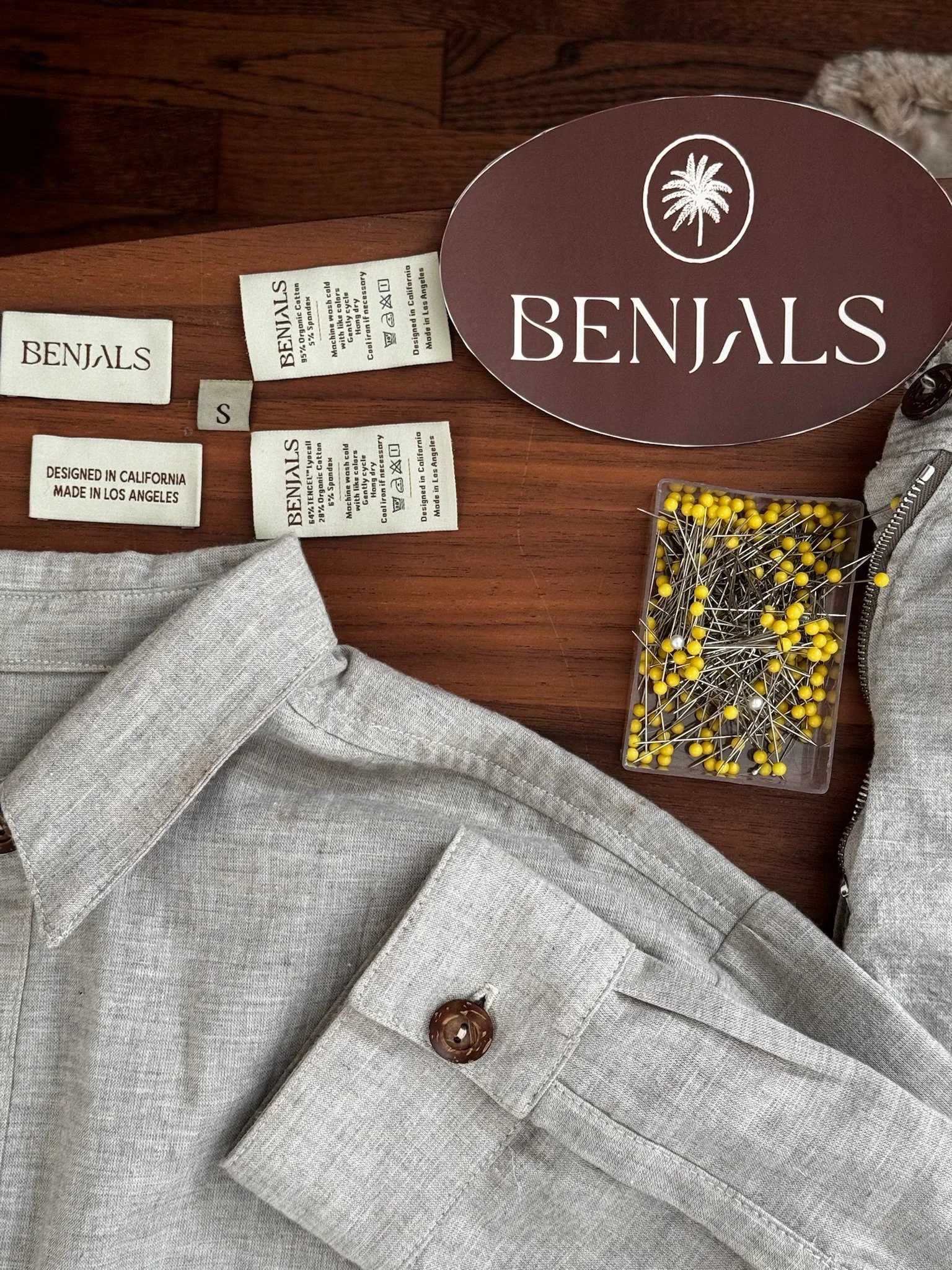
care labels and tags from some of our other upcoming collections but my creative brain was far less interested in the details of the photograph and more concerned with how the arrangement looked
I feel pretty strongly about this collection. Probably more strongly than anyone should feel about a pair of pants or a tank top, or a shacket, but that’s what happens when you quit your job and spend every moment trying to create something new. I’ve spent a lot of time thinking about what I want Benjals to contribute to the world, and I keep coming back to the same idea. We don’t need more things. We just need to be more thoughtful and intentional about the things we choose to bring into our lives.
That doesn’t mean we should never buy something new or that every purchase needs to come with some profound justification. I love clothes. I love beautiful things. I love finding something that makes me feel good.
I just think we can be a little more discerning about what we buy and why.
And as someone who is now on the other side of that transaction, making the things rather than simply buying them, and asking you to buy them, I feel a responsibility to consider that.
I can’t promise these pieces will last forever. Nothing does. But I can tell you that longevity was part of the conversation from the beginning. Not just how long the fabric might last, but how long you’d want to keep wearing it.
Because, I mean, really…..why would you throw out a perfectly good pair of linens?
xo,
Macey
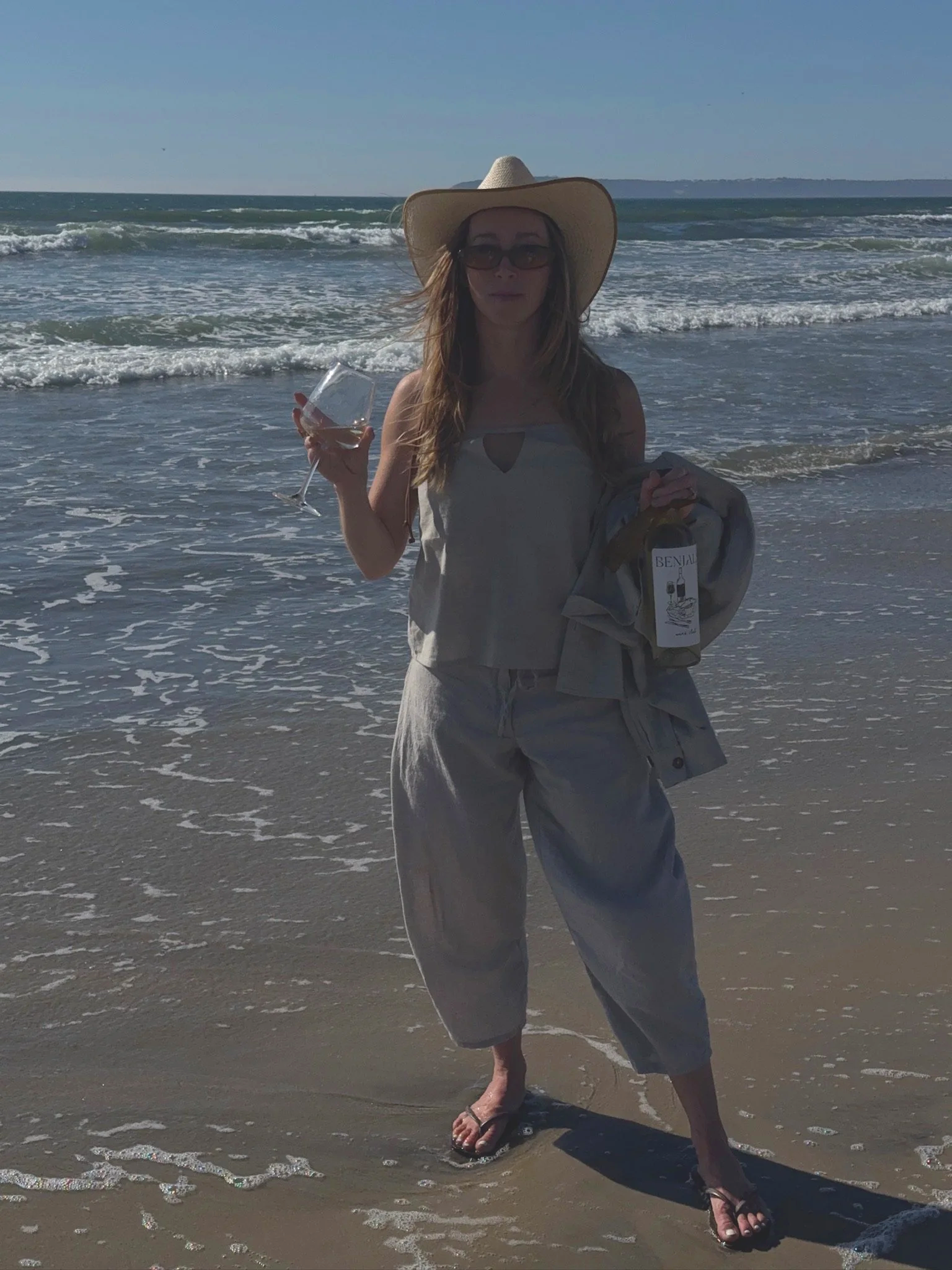
Benjals, The Linen Collection
coming November 14